Developing a successful wellness hotel requires more than beautiful facilities. Discover the strategic foundations, WITT pillars, and financial viability behind sustainable wellness hospitality.
Interest in wellness hospitality continues to grow among investors and developers looking for new opportunities in the hotel industry. According to industry research published by the Global Wellness Institute, wellness tourism is one of the fastest-growing segments within the travel sector, driven by a rising awareness of health, lifestyle balance, and preventive wellbeing.
As a result, more destinations and investors are exploring the development of wellness hotels, retreats, and wellbeing-focused resorts. However, developing a successful wellness hotel requires much more than simply adding a spa or healthy cuisine.
The Strategic Positioning of Wellness Hotel Development
One of the most common mistakes in wellness hotel development is focusing too early on amenities. Developers often start by defining treatment rooms, yoga studios, or spa facilities. While these elements are essential, they should not be the starting point of the project.
The first step is defining the positioning of the property:
-
What kind of wellness experience will the hotel offer?
-
Who is the specific guest the property is designed for?
-
What transformation or value does the hotel promise to deliver?
These questions determine the concept, pricing strategy, operational model, and investment structure of the entire project.
Respect for the Land and Community Integration
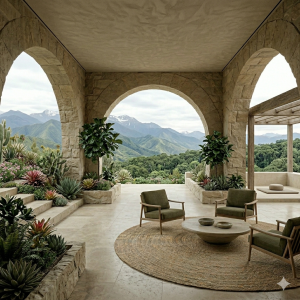
A truly successful wellness project starts with the soil and the terrain. We must analyze the conditions of the land to create projects that are respectful and coherent with the environment. This is not just about architecture; it is about how the hotel integrates into the local community and honors the land it occupies.
A core part of this concept is the Farm-to-Table philosophy. This requires the inclusion of organic gardens and orchards, ensuring that we continue to cultivate and nurture the earth where we are intervening. By sourcing locally and growing our own produce, we create a sustainable ecosystem that nourishes both the guest and the local economy.
Applying WITT Pillars to Wellness Hotel Development
To guarantee these standards, a project must be built upon the 5 Pillars of WITT (Wellness Travel & Tourism) certification. As a certified professional, I ensure these elements are woven into the property’s DNA:
-
The Role of Nutrition: Recognizing nutrition’s impact on general wellbeing. WITT-certified properties prioritize healthy, allergen-free meals and dining practices oriented toward holistic health.
-
Holistic Healing: An integrative approach to mind, body, and spirit. We create environments that foster healing through specialized wellness facilities, spas, and biophilic design.
-
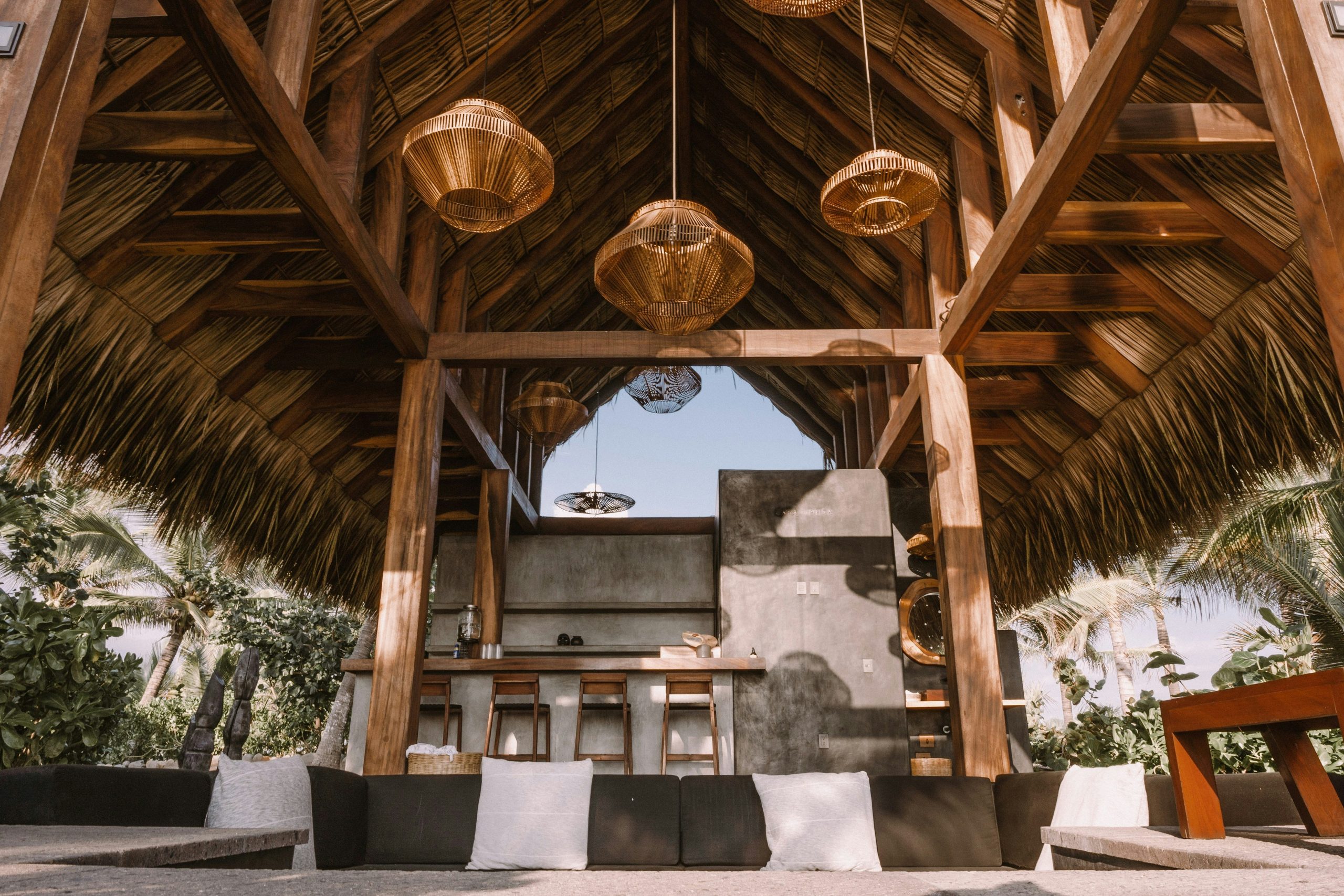
Connection with Nature: Facilitating a deep bond with the environment through natural landscapes, outdoor experiences, and sustainable design.
-
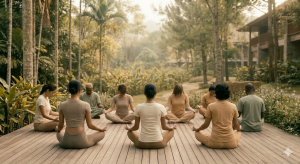
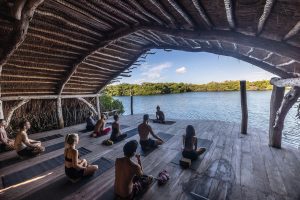
Promotion of Movement: Understanding physical activity as a pillar of health, examining fitness and recreational opportunities, and diverse movement experiences.
-
Local Impact: Evaluating how the property contributes to the environment and the community through sustainability initiatives, conservation efforts, and community engagement.
Connecting Purpose with Financial Viability
A wellness hotel must have a clear identity and purpose. Guests today are increasingly drawn to «Oasis» environments that reflect authentic values, sustainability, and deep wellbeing.
But hospitality is also a business. For a wellness hotel to succeed, the concept must align emotional appeal with operational feasibility and financial sustainability. This means analyzing market demand, defining diversified revenue streams, and building a realistic operational structure. Projects that ignore these financial factors often struggle post-opening, regardless of how attractive the initial idea was.
Early Operational Planning and Multidisciplinary Collaboration
In traditional hotel development, operational planning sometimes appears late in the process. In wellness hospitality, this approach creates serious structural challenges. Wellness experiences influence every aspect of design and operation: guest flow, treatment schedules, specialized team structures, and integrated food and beverage concepts.
Successful development requires the collaboration of multiple areas of expertise, hospitality professionals, wellness specialists, designers, and financial planners, contributing different perspectives from the start.
When these perspectives are integrated early, the result is not only an attractive concept but a hotel capable of delivering meaningful healing experiences while maintaining long-term operational and financial stability.
If you have the same vision for your project, let´s connect.

Ana María Pittaluga
Hospitality Development Executive and WITT AP® consultant. With deep expertise in operational management and financial viability, she specializes in developing wellness-integrated hotel projects across LATAM, the US, and Europe. Her mission is to help investors and owners transform traditional hospitality into high-performance, healing-focused assets.