Many wellness hotels launch with inspiring concepts but weak operational structures. Discover why operational strategy is becoming the real differentiator in wellness hospitality.
The growth of wellness hospitality is undeniable. According to research from the global wellness economy has surpassed 6.8 trillion dollars, positioning wellness tourism and hospitality as one of the most dynamic segments within the travel industry.
At the same time, global tourism has fully recovered. Data published by the World Tourism Organization, confirms that international travel demand continues to expand, creating new opportunities for hotel investors and developers exploring wellness-driven projects.
Yet behind this rapid expansion, a quieter reality is emerging.
Many wellness hotels launch with strong concepts but struggle operationally once the property opens.
The problem is rarely the market or the demand. More often, the challenge lies in the operational structure behind the concept.
The gap between concept and operational strategy
Many wellness hospitality projects begin with an inspiring vision.
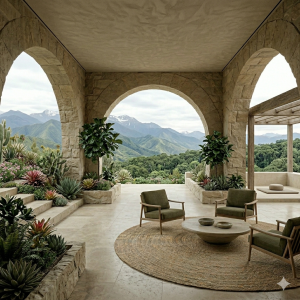
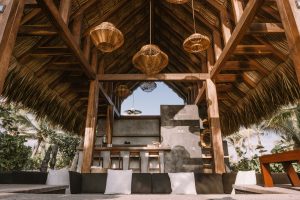
Architectural design.
Beautiful natural settings.
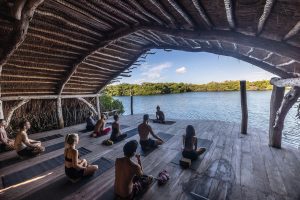
Holistic programming.
Spa and wellbeing facilities.
All of these elements are essential, but hospitality ultimately operates through systems and people.
A guest experience is not created only through design. It is delivered every day through operational processes, trained teams and service culture.
Without a clear operational strategy, even the most inspiring wellness concept can struggle to translate its promise into a consistent guest experience.
Why wellness hotel operations are inherently more complex
Operating a wellness hotel requires coordinating several disciplines simultaneously.
Unlike traditional hotels, wellness hospitality often integrates multiple layers of expertise: hospitality service, therapeutic treatments, movement programs, nutrition, lifestyle guidance and sometimes medical or longevity-related services.
Each of these areas has its own professional standards, scheduling logic and service expectations.
Without a clear operational framework, coordination becomes difficult and the guest journey quickly loses coherence.
This complexity is precisely why wellness hospitality strategy must be designed early in the development process, not added once the property opens.
Wellness travelers expect more than comfort
The expectations of wellness travelers are also evolving.
Many guests are no longer looking only for relaxation or leisure. They are seeking experiences that help them improve their physical wellbeing, mental clarity or overall lifestyle balance.
This creates a different relationship between the guest and the property.
- Guests expect knowledgeable staff.
- They expect personalized experiences.
- They expect the hotel to deliver on its promise of wellbeing.
Facilities alone cannot meet those expectations. The experience depends on how well the operational structure supports the concept.
Service culture becomes the core of wellness hospitality
In wellness hospitality, service culture becomes one of the most important assets of the hotel.
Wellbeing is deeply connected to human interaction. The tone of the welcome, the empathy of the team, the attentiveness of therapists and the emotional intelligence of staff all shape how guests perceive the experience.
Creating that environment requires intentional leadership.
Service standards, training programs, operational clarity and a shared understanding of the concept are essential elements in building a culture capable of delivering a meaningful wellness experience.
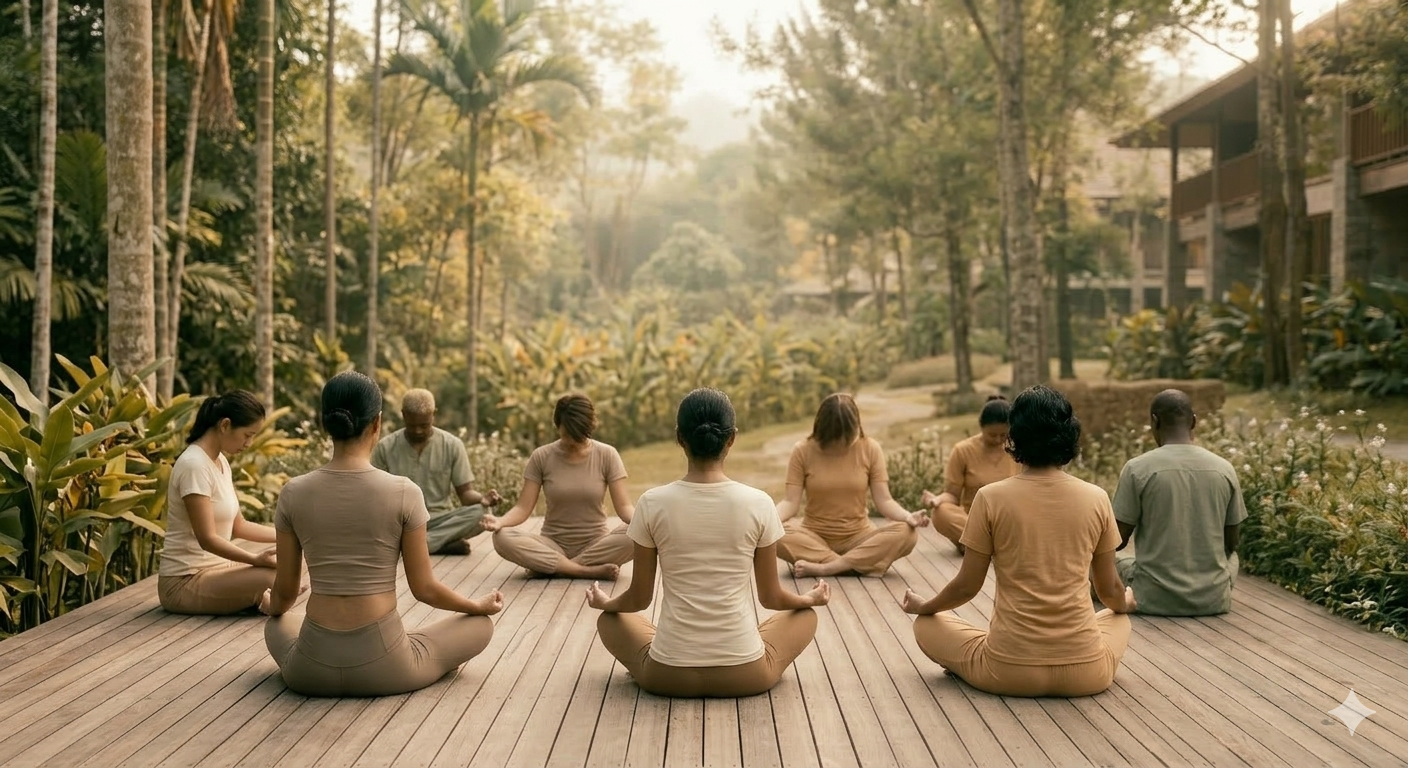
Furthermore, this service culture must permeate every level of the organization, from top leadership to frontline staff, embracing wellness as an authentic lifestyle rather than just a task. True hospitality begins by creating dedicated spaces and opportunities for the hotel team to personally engage with these wellbeing practices. It is not merely about training; it is about lived experience. By embodying the wellness journey themselves, the staff can transmit the hotel’s mission with a level of genuine empathy and professional conviction that can only be achieved through first-hand understanding.
Reflecting on my first hotel project where I implemented meditation practices, yoga sessions, and active pauses for the staff, I observed that these initiatives directly drive measurable improvements in service quality and overall performance. Beyond operational efficiency, these practices strengthen the team’s sense of belonging and commitment, ensuring that guests receive the profound benefits of being served by a team that is truly connected, balanced, and present.
The future of wellness hospitality will depend on operational excellence
As the sector matures, successful wellness hotels will likely share one key characteristic: they will combine inspiring concepts with strong operational foundations.
Beautiful spaces will always attract attention. But long-term success will depend on the ability to deliver consistent, authentic and well-coordinated experiences.
In hospitality, the real luxury is not only what is designed.
It is what can be delivered every day with coherence, care and operational discipline.
If you have the same vision for your project, let´s connect.

Ana María Pittaluga
Hospitality Development Executive and WITT AP® consultant. With deep expertise in operational management and financial viability, she specializes in developing wellness-integrated hotel projects across LATAM, the US, and Europe. Her mission is to help investors and owners transform traditional hospitality into high-performance, healing-focused assets.